OK, not really. At all. But it is eye-opening and useful. Shall I tell you about it?
Why yes, I shall. While I feel like I got way behind in preparing for holiday orders and fairs this summer (yes, that kind of work starts in the summer), I was able to do several shop-related non-sewing projects that are normal business tasks but that I had not yet done in my, shall we say, organic business development. Etsy is fantastic at enabling people with not a lot of business expertise to open a shop. But if you want to actually turn a profit you do have to buckle down and do some nitty gritties eventually.
So I did two things this summer along those lines. First, I developed a file of spreadsheets which help me to better calculate my shop's prices for profit. Second, I actually did a sales matrix, listing the fabrics I've used on one axis and the products that have sold on the other. Both these tasks were time consuming, not exactly fun while I was doing them, but quite helpful afterward.
I read a huge number of blog posts, Etsy administration newsletters, and various websites to prepare for the pricing spreadsheets. I also had a very helpful conversation with an artist friend who used to be a buyer for a boutique in our town. Different people recommend different formulae for calculating the end price, most of which led to crazy outrageous prices for my very labor-intensive products. I came up with my own sensible numbers instead.
I tackled this issue in a pretty data-driven way. First off, I went and measured how much fabric and velcro and elastic and bias tape and even thread (OK, that one I estimated) go into each type of item I make. Yes, I measured with a tape measure. I made a sheet for each item and put in some calculations that I could cut and paste for each type of item. Every time an item uses X amount of mill fabric, that's X dollars worth. That was all very straightforward, though it was quite time consuming to go through all the measuring. I had to look up how much I pay for everything as well, from machine needles to interfacing to zipper pulls to fees that Etsy charges.
The other major element of pricing is labor. I started timing myself when I made things. Yes indeed I did. In my labor costs I included photography, product promotion, and product design as well as the time I spend actually constructing items. The end result of the pricing spreadsheets are product prices that are both fair and reasonable. I implemented them early in the summer. The new prices allow for some business growth, such as the purchase of a new sewing machine, as well as an occasional sale, promotion, or giveaway. They also accurately reflect the care I put into each item.
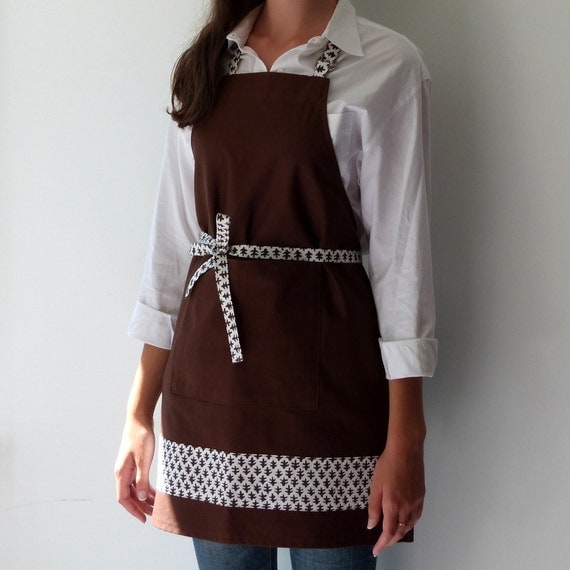
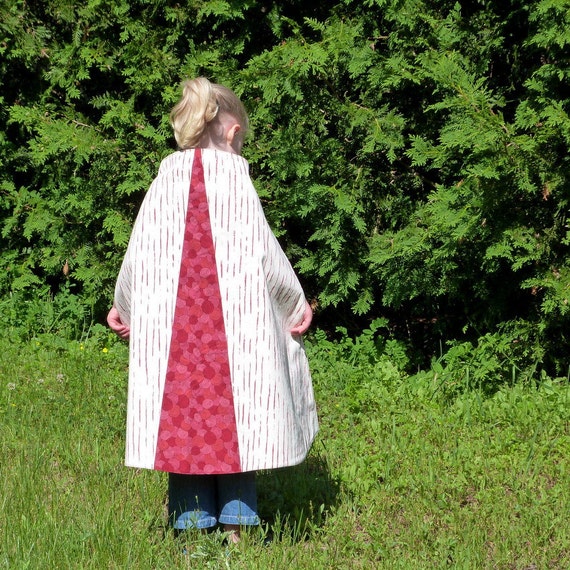
The other terrifically fun project (no, not really, not at all) was the sales-by-fabric matrix. While my shop is too small and carries too many one-of-a-kind items to benefit from a traditional inventory analysis, I looked through all my sales and figured out, through my matrix, how many of each type of item I've offered, how many have sold, and which fabrics have been most popular. The unexpected big sellers? While I was certain that aprons would top the list, I didn't realize that pencil rolls and capes were so successful. So on my to-do list very soon is to make more capes. But it was the top selling fabric that really surprised me. It turns out that my most popular fabric is the crazy purple and white one from Unison. Who knew? The next day I went to the mill and bought four more yards, because they still had some. Knowing that that pattern, and the three or four others that topped the list (all Hadley and Sister Parish prints), are so successful is helpful when deciding what to use next for whatever I'm making. For instance, I'm in the middle of sewing new snack bags with that purple fabric.
Now my question is, should I make a cape in this fabric? I've held off in the past because it doesn't seem to me that it would work so well as a cape, but I'd love to hear any of your thoughts.
To be honest, making that matrix was so dreadful I don't think I will be keeping up with it. I might perhaps add to it every year or something, but having to record daily what I've posted in the shop and what has sold is way, way too time consuming. Since I am also the accountant, photographer, copy writer and copy editor, designer, marketing manager, shipping manager, customer service rep, purchaser, and oh, sewer, some tasks are just going to be left undone.
Why yes, I shall. While I feel like I got way behind in preparing for holiday orders and fairs this summer (yes, that kind of work starts in the summer), I was able to do several shop-related non-sewing projects that are normal business tasks but that I had not yet done in my, shall we say, organic business development. Etsy is fantastic at enabling people with not a lot of business expertise to open a shop. But if you want to actually turn a profit you do have to buckle down and do some nitty gritties eventually.
So I did two things this summer along those lines. First, I developed a file of spreadsheets which help me to better calculate my shop's prices for profit. Second, I actually did a sales matrix, listing the fabrics I've used on one axis and the products that have sold on the other. Both these tasks were time consuming, not exactly fun while I was doing them, but quite helpful afterward.
I read a huge number of blog posts, Etsy administration newsletters, and various websites to prepare for the pricing spreadsheets. I also had a very helpful conversation with an artist friend who used to be a buyer for a boutique in our town. Different people recommend different formulae for calculating the end price, most of which led to crazy outrageous prices for my very labor-intensive products. I came up with my own sensible numbers instead.
I tackled this issue in a pretty data-driven way. First off, I went and measured how much fabric and velcro and elastic and bias tape and even thread (OK, that one I estimated) go into each type of item I make. Yes, I measured with a tape measure. I made a sheet for each item and put in some calculations that I could cut and paste for each type of item. Every time an item uses X amount of mill fabric, that's X dollars worth. That was all very straightforward, though it was quite time consuming to go through all the measuring. I had to look up how much I pay for everything as well, from machine needles to interfacing to zipper pulls to fees that Etsy charges.
The other major element of pricing is labor. I started timing myself when I made things. Yes indeed I did. In my labor costs I included photography, product promotion, and product design as well as the time I spend actually constructing items. The end result of the pricing spreadsheets are product prices that are both fair and reasonable. I implemented them early in the summer. The new prices allow for some business growth, such as the purchase of a new sewing machine, as well as an occasional sale, promotion, or giveaway. They also accurately reflect the care I put into each item.
The other terrifically fun project (no, not really, not at all) was the sales-by-fabric matrix. While my shop is too small and carries too many one-of-a-kind items to benefit from a traditional inventory analysis, I looked through all my sales and figured out, through my matrix, how many of each type of item I've offered, how many have sold, and which fabrics have been most popular. The unexpected big sellers? While I was certain that aprons would top the list, I didn't realize that pencil rolls and capes were so successful. So on my to-do list very soon is to make more capes. But it was the top selling fabric that really surprised me. It turns out that my most popular fabric is the crazy purple and white one from Unison. Who knew? The next day I went to the mill and bought four more yards, because they still had some. Knowing that that pattern, and the three or four others that topped the list (all Hadley and Sister Parish prints), are so successful is helpful when deciding what to use next for whatever I'm making. For instance, I'm in the middle of sewing new snack bags with that purple fabric.
 |
| Here's that crazy Unison purple on a smock. |
Now my question is, should I make a cape in this fabric? I've held off in the past because it doesn't seem to me that it would work so well as a cape, but I'd love to hear any of your thoughts.
To be honest, making that matrix was so dreadful I don't think I will be keeping up with it. I might perhaps add to it every year or something, but having to record daily what I've posted in the shop and what has sold is way, way too time consuming. Since I am also the accountant, photographer, copy writer and copy editor, designer, marketing manager, shipping manager, customer service rep, purchaser, and oh, sewer, some tasks are just going to be left undone.